When you browse the skincare and haircare aisle at any store, you’ve probably noticed many products with the term “sulfate-free” prominently displayed on their labels. Like parabens and phthalates, sulfates have become a somewhat controversial topic in the beauty and cleaning industries over the past few years. Intense consumer backlash and clever marketing have fueled their negative reputation.
So, are sulfates truly harmful to your health? Today, we’re delving into the composition and function of sulfates and dispelling some of the myths surrounding them.
What Are Sulfates?
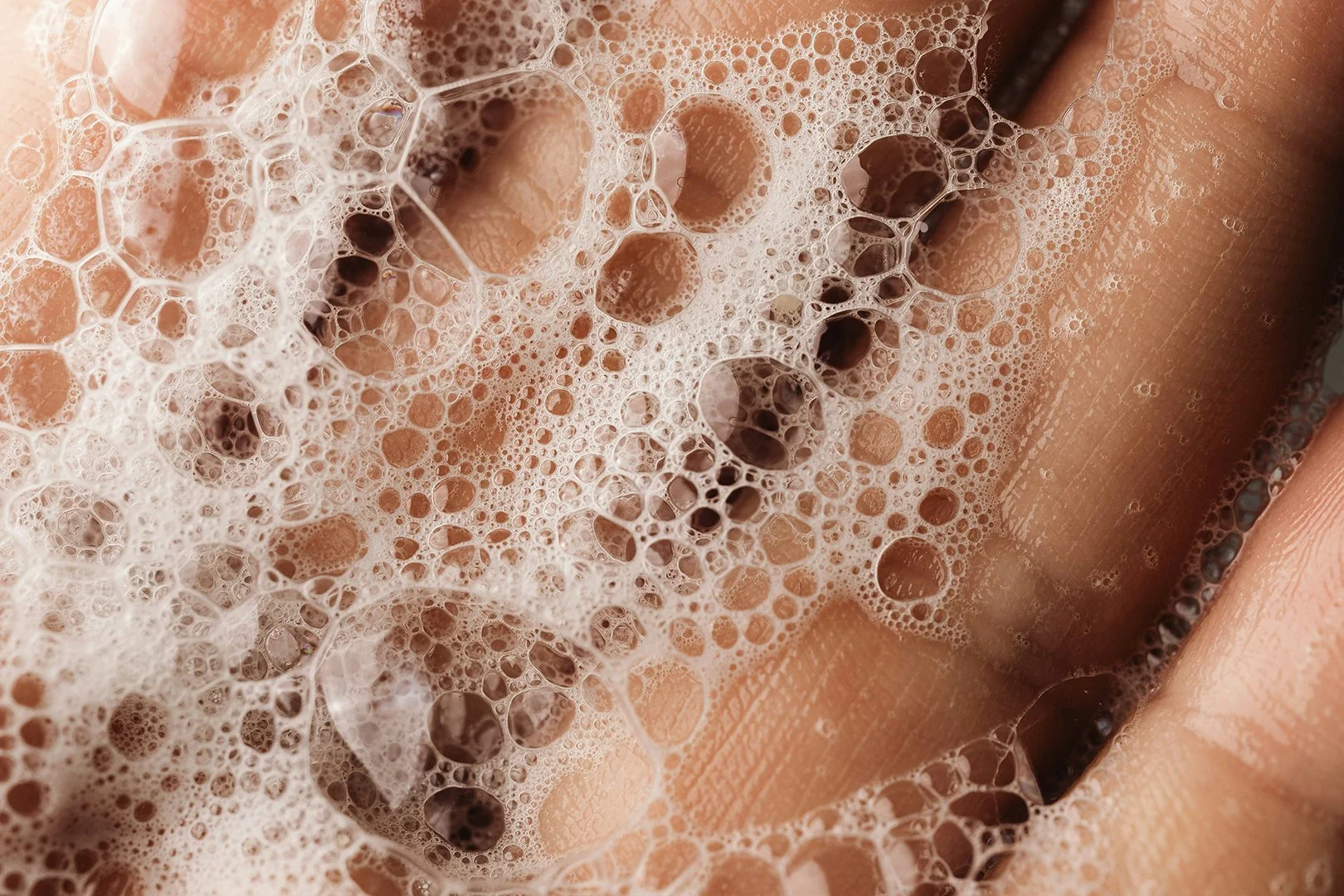
Sulfates are mineral salts containing sulfur that function primarily as cleaning agents in household and personal care products. They are highly effective at breaking down oil and creating a rich, bubbly foam. However, their potential to dry out skin and hair has led to debate in the beauty and skincare industry.
Typically, there are two common types of sulfates you can frequently spot on ingredient lists:
Sodium Lauryl Sulfate (SLS): A powerful cleanser that is highly effective at removing oil and buildup. However, it has a higher potential to cause irritation or dryness.
Sodium Laureth Sulfate (SLES): A modified version of SLS that is chemically gentler on the skin and hair, though it still provides excellent foaming action.
What Do Sulfates Do?
Sulfates act as surfactants (surface-active agents). They contain a dual-natured molecule: one end is attracted to water, and the other to oil and dirt. Sulfates create a thick, bubbly foam most associated with shampoos and body washes, as well as common household cleaners like dish detergent. Sulfates grab onto oils, sebum, and product buildup on your skin or hair, allowing water to rinse them away easily.
The Controversy Surrounding Sulfates
The controversy surrounding sulfates primarily arises from a clash between marketing narratives and scientific evidence. This controversy is significantly fueled by misinformation and the marketing strategies employed by brands that market their products as “clean.” The emergence of the “clean beauty” movement has led many consumers to believe that sulfates are inherently toxic or hazardous. However, major regulatory bodies, including the Food and Drug Administration (FDA), have determined that common sulfates are safe for use in cosmetics and personal care products.
The debate centers on several distinct consumer concerns:
The Carcinogen Myth: Early internet rumors falsely claimed that sulfates cause cancer. Scientific research has thoroughly debunked these claims, and sulfates are not classified as known or possible carcinogens.
Fertility Issues: The belief that sulfates impact fertility is a widespread myth, largely driven by the “clean beauty” movement conflating sulfates with actual endocrine-disrupting chemicals. There is no direct scientific evidence linking common personal care sulfates—such as Sodium Lauryl Sulfate (SLS) or Sodium Laureth Sulfate (SLES)—to infertility or reproductive issues.
Manufacturing Impurities: Another common concern involves Sodium Laureth Sulfate (SLES), which can sometimes be contaminated with a byproduct called 1,4-dioxane during manufacturing. Although 1,4-dioxane has been linked to cancer in laboratory studies, cosmetic manufacturers heavily monitor and strip this impurity out to ensure the safety of finished products.
Skin and Eye Irritation: Sulfates are designed to bind to oil and water to deep-clean surfaces. Because they are so effective, they can irritate the eyes, skin, and lungs if left on the body for too long or used in very high concentrations. For people with sensitive skin, sulfates may also clog pores and cause acne.
Environmental Concerns: To be fair, sulfates are indeed the subject of some valid criticism. Sulfates derived from petroleum are often controversial due to their origin. Petroleum products are widely associated with climate change, pollution, and the release of greenhouse gases.
Final Thoughts
Sulfates are not inherently “bad” and can actually provide professional-grade benefits for hair and skincare routines when used appropriately. While sulfates may cause dryness and irritation to the skin and hair, health agencies and cosmetic scientists agree that they are safe to use and do not pose severe risks such as cancer or fertility problems.
If you have concerns about skin irritation or dryness, consider products that contain sulfate alternatives. Natural sulfate alternatives in skincare and haircare typically use plant-derived surfactants—commonly sourced from coconut, corn, fruit sugars, or amino acids—to gently lift oil and dirt without compromising the skin barrier or the hair cuticle.