While I may not always advocate for “clean” beauty, there’s no denying that certain natural ingredients have earned their place in skincare history.
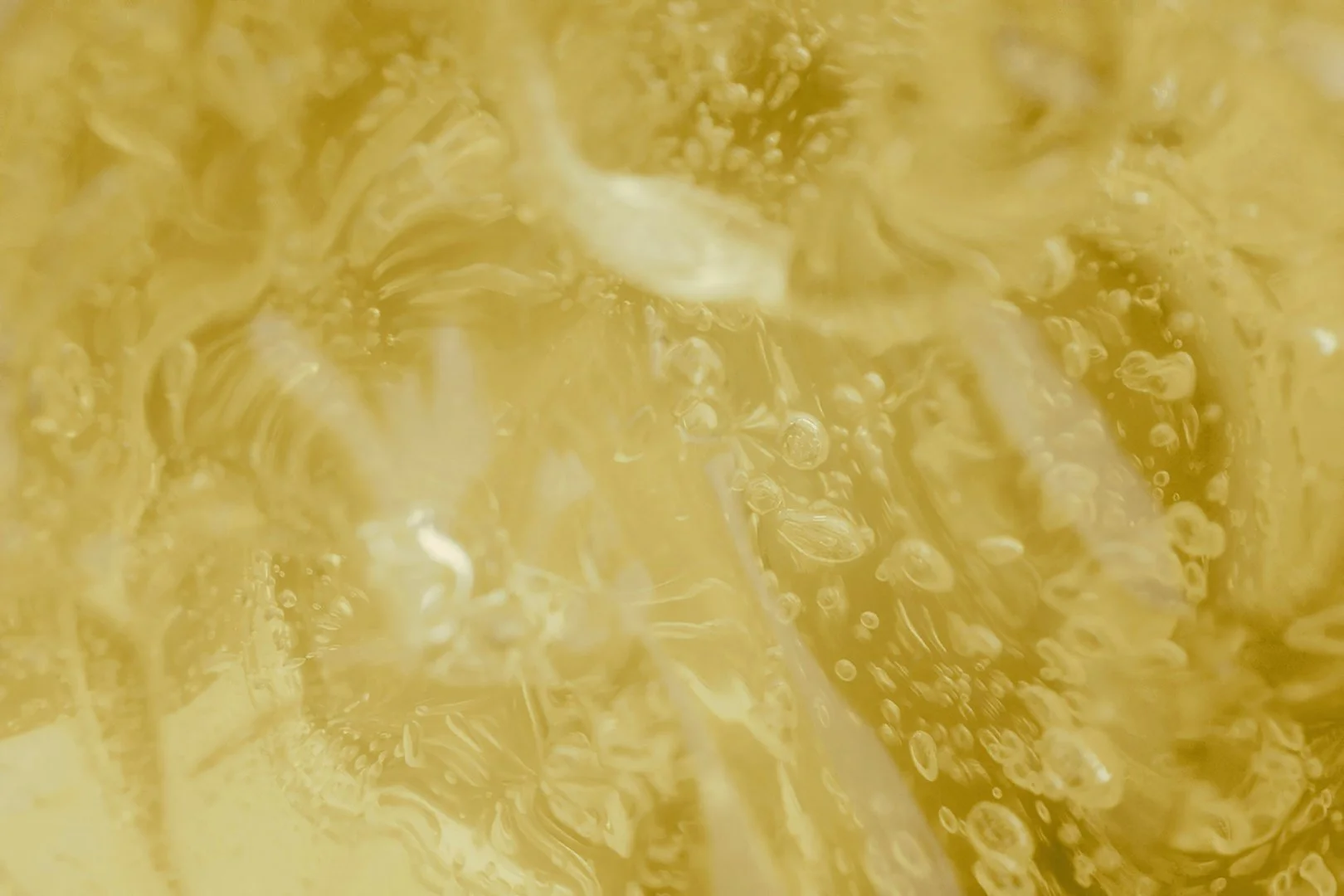
Honey, the sticky, golden substance brought to us by bees, is more than a delicious addition to your afternoon tea. It offers a wealth of skincare benefits, and its remarkable healing and beautifying properties have been revered for centuries. From Cleopatra’s legendary milk-and-honey baths to modern-day spa treatments, honey has consistently proven its efficacy as a skincare superstar.
Today, we’re diving into the numerous skin-loving benefits of honey.
The History of Honey in Skincare
Honey is a bee-derived, supersaturated solution composed mainly of fructose and glucose, and containing proteins and amino acids, vitamins, enzymes, and minerals. Arguably the oldest skincare ingredient in human history, honey has been used for cosmetic and therapeutic purposes since 4500 BCE.
In ancient Egypt, honey was highly valued and extensively used in beauty rituals and wound care. Renowned figures like Cleopatra and Nefertiti were known for their milk-and-honey baths, which helped keep their skin soft and smooth. Similarly, women in ancient Greece combined honey with olive oil to keep their skin clear and youthful.
During the Renaissance, honey became a primary ingredient in “beauty waters” meant to brighten the complexion. Because the beauty standard of the era favored blonde hair, women also used honey-based rinses to naturally lighten their hair in the sun.
By the mid-20th century, renowned celebrity facialists like Madame Renna were employing honey as a treatment for their A-list clients, including Marilyn Monroe, Elizabeth Taylor, and Ava Gardner. Renna’s exclusive and meticulously crafted protocol involved a “magical trio” of bee products, comprising raw honey, royal jelly, and propolis, which were used to plump and rejuvenate the skin.
Today, honey has evolved from a simple folk remedy into a scientifically validated powerhouse in commercial dermatology. Modern research has mapped honey's chemical composition, revealing that just 5% of its minor components—amino acids, vitamins, minerals, and active enzymes—represent the key to its exceptional performance.
Skincare Benefits of Honey
Honey is a potent natural skincare ingredient celebrated for its exceptional hydrating, soothing, and antimicrobial properties. It works primarily as a natural humectant that draws moisture into the skin while simultaneously calming inflammation and promoting cellular repair. Other benefits of honey include:
Deep Hydration: Rich in natural sugars, honey behaves similarly to hyaluronic acid. It extracts moisture from the air and binds it directly to the epidermal layer, leaving skin soft and plump without feeling heavy.
Acne and Bacterial Control: Raw, unprocessed honey naturally contains trace amounts of hydrogen peroxide and enzymes that inhibit acne-causing bacteria. It helps clear minor blemishes while ensuring the skin’s barrier isn’t stripped or over-dried.
Wound Healing and Scar Fading: Historically used in medical dressings, honey triggers tissue regeneration and accelerates the skin’s repair process. It helps calm inflammatory conditions like eczema, psoriasis, and rosacea, and can help fade dark spots left by acne breakouts.
Antioxidant Protection: Packed with organic vitamins, minerals, and polyphenols, honey helps neutralize environmental free radicals, shielding skin cells from premature aging, pollution, and UV stress.
Gentle Exfoliation: The natural gluconic acid in honey provides a micro-exfoliation effect. It subtly sloughs off dull, dead surface cells to uncover a brighter, more even complexion without abrasive scrubbing.
Types of Honey
Not all honey yields identical results on the skin. The specific type you use dictates its benefits:
Manuka Honey: Typically found in Australia and New Zealand, manuka honey contains high levels of methylglyoxal (MGO), making its antibacterial and anti-inflammatory properties significantly stronger than regular honey. Manuka honey is best suited for acne-prone skin, active blemishes, and barrier repair.
Kanuka Honey: Kanuka honey is a rare, therapeutic honey harvested exclusively from the nectar of the kanuka tree native to New Zealand. Studies show it contains unique arabinogalactan proteins (AGPs) that stimulate immune response and reduce inflammation. Kanuka honey has natural antibacterial properties, and its benefits are being studied for treating skin conditions like acne, rosacea, eczema, cold sores, and minor wounds.
Acacia Honey: Acacia honey is a clear, mild-tasting honey made from the nectar of the black locust tree. Its color is pale yellow, with a delicate, sweet, floral taste with soft vanilla notes. Acacia honey has a high concentration of antioxidants, and its antibacterial properties can help soothe and calm acne breakouts.
Thyme/Lavender Honey: Thyme and lavender honey contains high concentrations of calming, therapeutic botanicals. This type of honey is effective for soothing irritated skin, redness, and chronic eczema.
Orange Blossom Honey: Particularly high in antioxidants, orange blossom honey brightens dull complexions and combats hyperpigmentation.
Processed Honey: This is the type of honey commonly found in grocery stores. It’s usually pasteurized or filtered, which eliminates live bacteria and beneficial enzymes. Processed honey is best used for cooking and is not suitable for skincare.
Raw Honey: Because it remains unpasteurized, raw honey contains live bacteria, active enzymes, and rich antioxidants that are otherwise destroyed by heat processing. When applied topically, raw honey works to protect, heal, and hydrate the skin. Note: Raw honey can easily be used as an at-home facial, but please be cautious with DIY skincare. Before applying raw honey to your face, always perform a patch test on your inner forearm. Individuals with known allergies to celery, pollen, or bee venom should avoid using bee-derived products on their skin to prevent severe allergic reactions.
Final Thoughts
Honey is more than just a sweet treat. Renowned for its beneficial properties, honey can significantly enhance your skin’s clarity, hydration, and protection against free radicals. Consequently, it’s become an especially popular ingredient in skincare products and cosmetics. When shopping for honey-based skincare, consider the type of honey used, its position on the ingredient list, complementary “hive” ingredients (such as beeswax, royal jelly, or propolis), and a formula that suits your specific skin type.