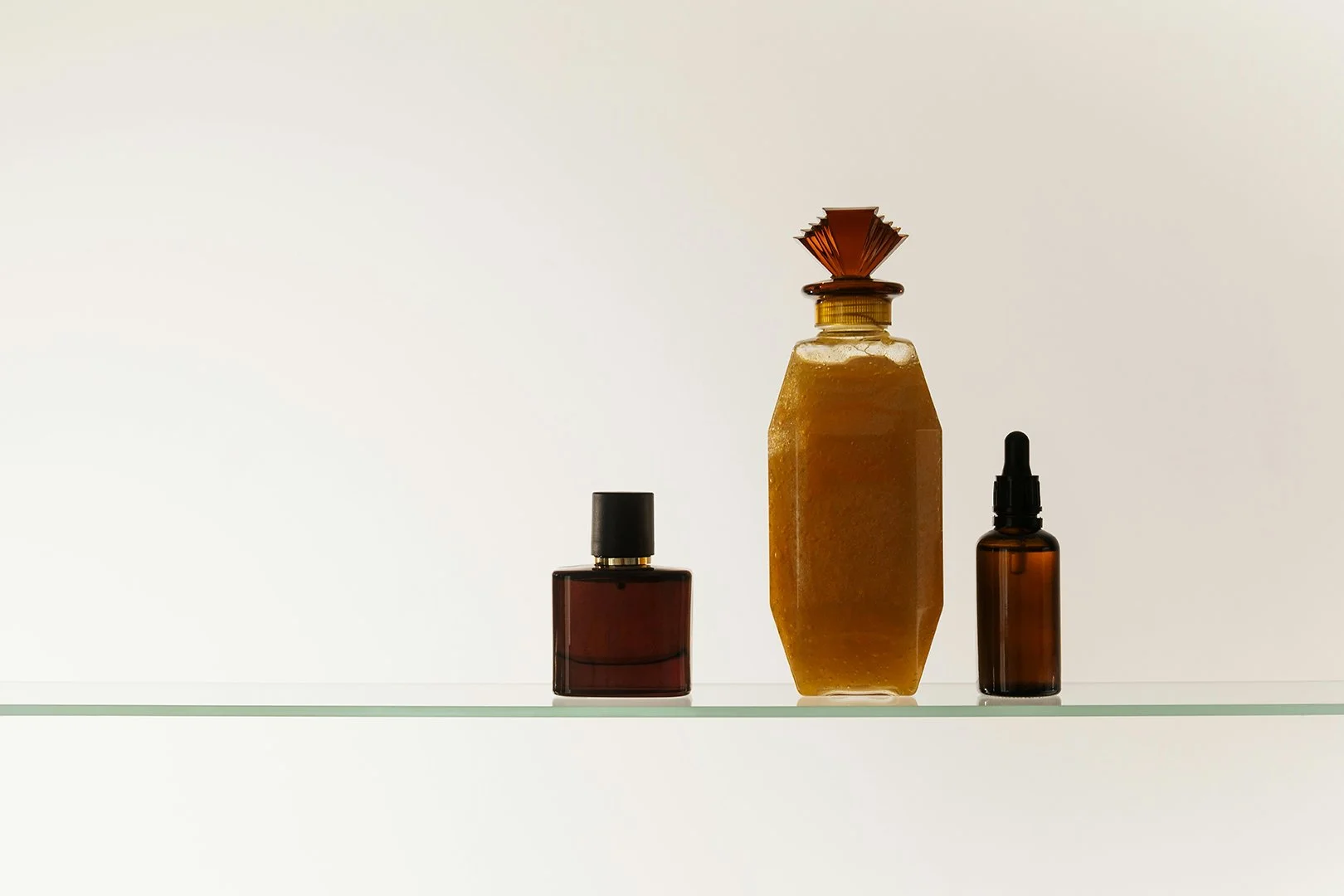
I have a complicated relationship with fragrance. For most of my life, I couldn’t go a day without a spritz (or twelve) of perfume as part of my beauty routine.
However, when I turned 40, something changed. I couldn’t tolerate the scent of perfume on my skin anymore. No matter what I tried, any lingering scent left me feeling like I needed a hazmat shower. I was a lifelong fragrance enthusiast, and suddenly, I couldn’t stand the one thing that had become the essential finishing touch in my beauty routine. I’m still struggling to pinpoint what changed.
While I may have appreciated fragrance on its own, I’ve never been a fan of scented skincare. Most skincare experts agree that fragrance has no practical purpose in skincare products. This consensus has held for years, with numerous dermatologists and other experts advocating fragrance-free options. It’s surprising, then, that we’re currently seeing a significant resurgence of fragrance in the beauty industry, both as a distinct category and a key ingredient in skincare.
So, what’s driving the shift? Read on to find out.
A Growing Trend
Fragrance is now widely regarded as the “new skincare” in the beauty industry. According to data from market research firm Circana, fragrance has surpassed skincare to become the fastest-growing beauty category, surging 12% in the prestige market. This shift is attributed to a significant change in consumer shopping habits and a deliberate functional crossover between the two categories.
In essence, consumers now view scent as an integral part of their daily wellness and self-care routines, rather than an indulgence reserved for special occasions.
The ‘Skinification’ of Scent
Fragrance has evolved beyond mere pleasant scent; it has embraced the vocabulary, active ingredients, and ritualistic aspects of skincare.
Nourishing Formulations: Modern consumers are moving away from harsh, alcohol-based sprays. In response, beauty brands are offering carefully formulated, skin-safe fragrances, often created from natural ingredients and tested for sensitivity, allowing people to enjoy both effectiveness and sensory pleasure.
Hybrid Ingredients: Fragrances are increasingly infused with traditional skincare actives like hyaluronic acid, jojoba oil, and antioxidants to hydrate and protect the skin barrier while delivering a scent profile.
Body Care as the Main Character: The luxury beauty market has shifted its focus from traditional Eau de Parfums to rich, scent-forward body serums and hydrating oils. Brands are now prioritizing traceable, non-toxic, and functional body essentials that treat body care as an extension of facial care.
The Sensory Experience of Skincare
For years, clinical “fragrance-free” products were considered the pinnacle of skincare. However, consumers are feeling “clinical fatigue” and are now seeking a more sensory and emotionally fulfilling skincare routine.
The Skin-Mind Connection: The beauty industry is recognizing mental health as an important concern among consumers. Skincare products that feature scents like sandalwood, lavender, and bergamot are being developed into creams and cleansers specifically designed to alleviate stress and promote a sense of calm.
Aroma-Driven Cult Favorites: Scent has proven to be an important tool for fostering brand loyalty without the risk of diminishing sales on existing products. For instance, popular beauty brand Summer Fridays leveraged the immense popularity of their vanilla-scented Lip Butter Balm to launch a distinct fragrance line.
What to Look For
If you’re thinking about incorporating scents into your skincare routine, here are a few product categories you might want to explore:
Perfumed Body Oils: These luxurious products are infused with nourishing oils such as argan, jojoba, or rosehip, and are designed to leave the skin smooth and hydrated with a subtle, lingering fragrance. They are perfect for dry skin, post-shower glow, or relaxing night rituals.
Fragrance Mists with Active Ingredients: Facial and body mists are now infused with hydrating ingredients such as glycerin and hyaluronic acid, along with mood-enhancing scents like peppermint (for an energy boost) or chamomile (for relaxation). These mists are ideal for on-the-go hydration and quick mood resets.
Aromatic Body Butters and Lotions: Basic moisturizers are getting an upgrade. Today, creams are infused with essential oils and packed with active ingredients like ceramides, vitamin E, and collagen boosters. These creams are perfect for all-day moisturization and can be layered under perfume.
Final Thoughts
The trend of “fragrance as the new skincare” signifies a shift in our perception of beauty. It transcends the conventional notion of flawless skin and perfect makeup. Instead, it emphasizes the pursuit of inner balance, joy, and pampering. Even some dermatologists are acknowledging the potential benefits of fragrance when formulated correctly. While intentionally scented body care and hybrid perfumes are experiencing a surge in popularity, dermatologists still generally advise individuals with highly sensitive skin, eczema, or an easily compromised skin barrier to prioritize fragrance-free products for their targeted, leave-on facial skincare routines.