I don’t mind admitting that I was a little late introducing retinol into my skincare routine. I’m not someone who pays much attention to gimmicky ingredients or products claiming to offer miraculous results. So when retinol became the newest ingredient everyone was talking about, it wasn’t unusual for me to ignore the hype.
It wasn’t until my early forties that I finally decided to use retinol. After a brief period of trial and error, I’ve found what works best for me, and I’m happy with the results I’ve seen. If healthy aging is part of your skincare plan, it may be time to try retinol. Here’s what you need to know first.
What Is Retinol?
Retinol, a derivative of vitamin A, is a powerful skincare ingredient that boosts skin cell turnover, stimulates collagen production, and treats issues such as acne, wrinkles, fine lines, and uneven skin tone. It works by unclogging pores and encouraging smoother, clearer, more youthful-looking skin. Scientifically proven to reverse signs of aging, retinol is available over-the-counter (OTC) in lower concentrations and as prescription-strength retinoids (such as retinoic acid and tretinoin) for faster, more effective results. While well-researched, retinol must be used correctly due to its potential to cause irritation and increase sun sensitivity.
The Difference Between Retinol and Retinal
Also known as retinaldehyde, retinal is a stronger, faster-acting form of vitamin A than retinol, converting more directly to retinoic acid in the skin, leading to quicker anti-aging results. Additionally, retinal contains antibacterial properties, making it ideal for blemish-prone skin. Retinal is generally considered less irritating to skin than retinol. However, retinal hasn’t been studied to the same extent as retinol and, as such, it isn’t as well understood. Therefore, skin experts still recommend retinol as a better starting point for anti-aging skincare routines.
Side Effects of Retinol
Retinol’s side effects can include temporary redness, dryness, peeling skin, itching, and sun sensitivity. Often called the “retinol uglies,” side effects typically begin within the first few weeks as the skin adjusts. More intense irritation, such as burning, flaky patches, or even initial acne flare-ups (purging), may occur. However, these typically subside as your skin builds tolerance. If you experience serious signs of irritation, such as a severe rash or swelling, it’s important to stop using retinol and consult a doctor.
Retinol Concentration
Retinol concentration varies widely, so it’s important to be aware of the potency of the retinol in the products you choose. Beginners should start at a low concentration (0.01% - 0.3%). Medium-strength retinol usually falls within 0.3% - 0.6% concentration. Higher concentrations (0.5% - 1%) are for experienced users. The key is to start with a low concentration and build your tolerance slowly over time. This can help your skin avoid irritation like dryness and redness, all while still offering significant benefits with consistent use. Retinol can be especially effective when paired with supporting ingredients like ceramides, niacinamide, hyaluronic acid, and SPF. All concentrations of retinol are effective; the only difference is how long it may take to see results.
How and When to Use Retinol
Retinol should be used only at night because it degrades and becomes less effective when exposed to sunlight. Retinol also makes your skin more photosensitive, so it’s crucial to use SPF 30 during the day. If you’re a beginner, start with a low concentration and use it only two to three times per week. Allow your skin to build up the necessary tolerance.
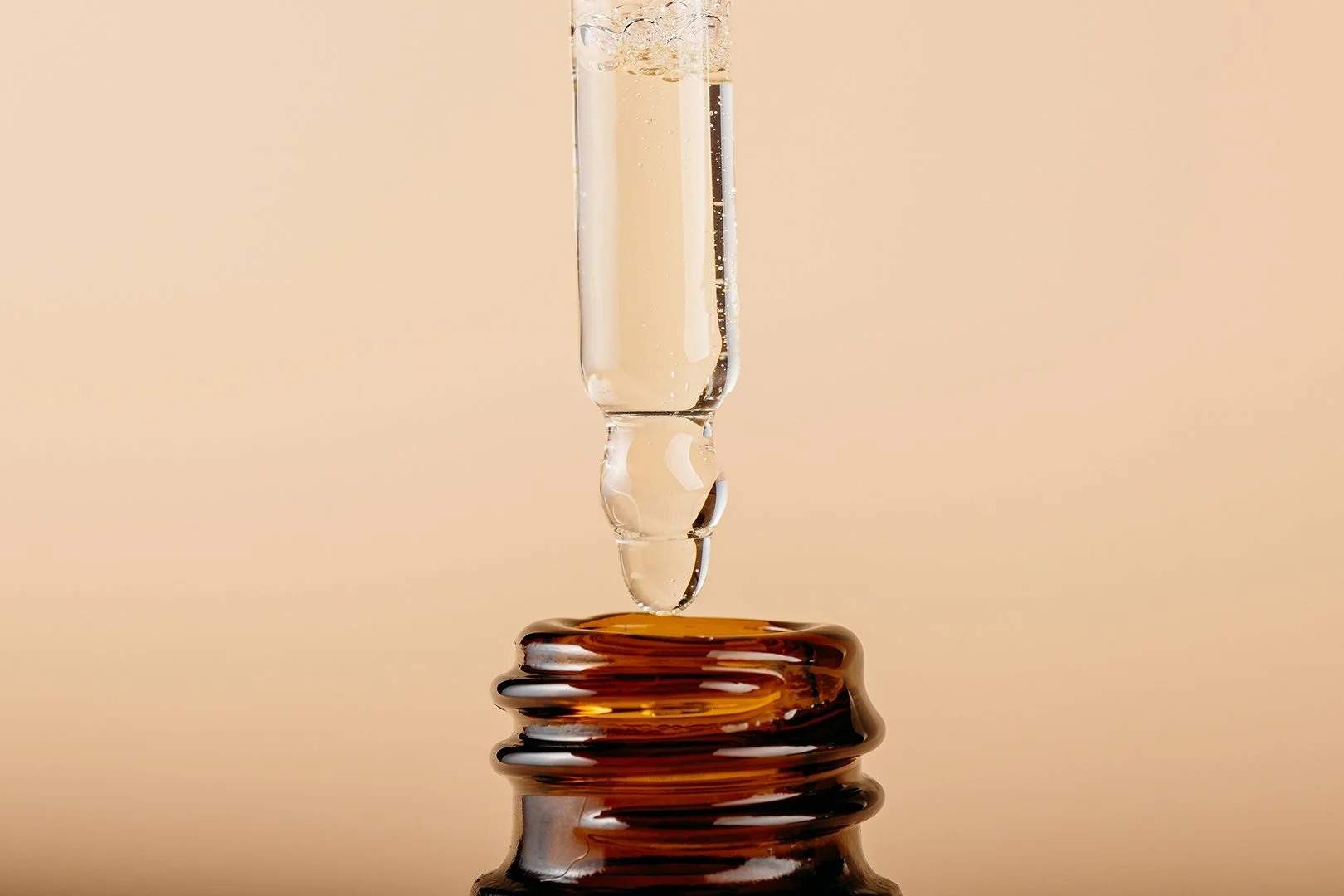
If you’re using retinol in the form of a cream, use a pea-sized amount for your entire face. If you’re using a serum, two to three drops should be sufficient. Always apply your retinol to dry skin before applying moisturizer. If your skin becomes dry or irritated, take a break from retinol for a few days or try the “sandwich” method: apply one layer of moisturizer, one layer of retinol, and another layer of moisturizer on top. Remember to be patient. It may take about 3 to 6 months of consistent nightly application to notice a reduction in sun damage, acne, and fine lines. Avoid overloading your skin to speed up results, as this can cause redness, flaking, and “retinol burn.”
What to Avoid When Using Retinol
When using retinol, it’s important to avoid mixing it with potent exfoliants like AHAs (glycolic and lactic acids), BHAs (salicylic acid), benzoyl peroxide, and high concentrations of vitamin C. These combinations can lead to severe dryness, irritation, redness, and damage to your skin’s protective barrier. For instance, combining glycolic, lactic, and salicylic acids with retinol can cause excessive peeling and irritation due to the cumulative exfoliation effect. Similarly, benzoyl peroxide can deactivate retinol and exacerbate dryness, making both ingredients less effective and potentially irritating. Instead, consider using these ingredients on alternate nights or at different times of the day to minimize irritation. For example, you can use vitamin C in the morning and retinol at night.
Products to Get You Started
If you’re new to retinol, here are a few suggestions to get you on your way.
CeraVe Skin Renewing Retinol Serum: My absolute favorite retinol serum. It’s gentle yet effective, providing great results without irritating my skin. Formulated with hyaluronic acid, niacinamide, and three essential ceramides, this serum provides the results you expect from retinol while protecting your skin’s barrier. Contains 0.2% - 0.35% retinol. $25
CeraVe Resurfacing Retinol Serum with Ceramides: If post-acne marks are a concern, this product is definitely worth considering. Developed in collaboration with dermatologists, CeraVe Resurfacing Retinol Serum helps smooth your skin’s texture by reducing the appearance of post-acne marks, minimizing the look of pores, and improving the overall surface of your skin. Contains 0.3% retinol. $22
The Ordinary 0.2% Retinol in Squalane: A great jumping-off point for beginners, this product uses a mild concentration of retinol to target general signs of skin aging. Formulated with squalane to hydrate and moisturize the skin, this serum works to combat dryness, textural irregularities, and uneven skin tone. $8.10