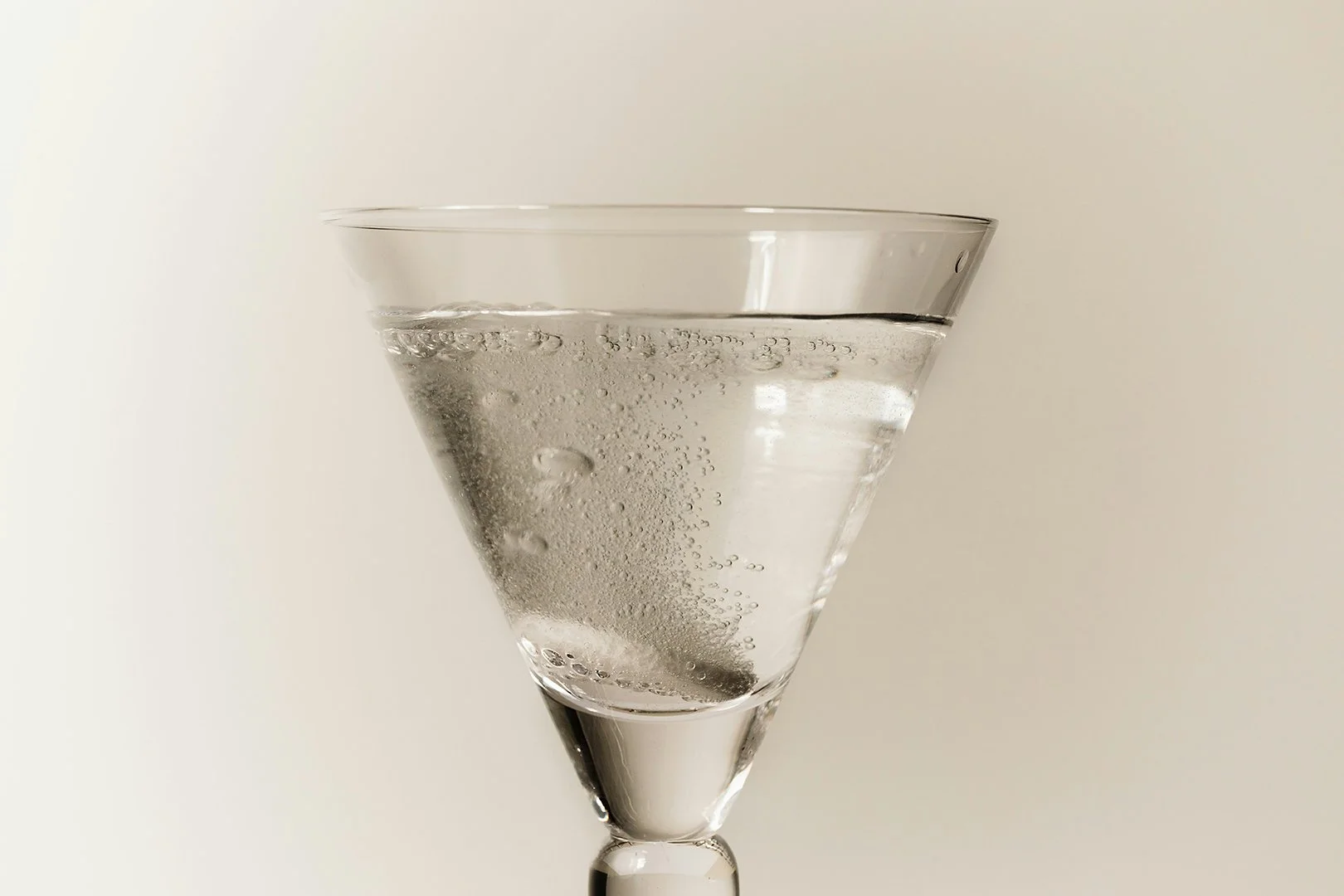
Whether it’s a glass of wine after a long day or a cocktail at a big event, it’s normal – and enjoyable – to indulge in the occasional drink.
And while we’re all aware of the harmful effects of alcohol on our bodies, you might not be aware of what it can mean for your skin. In this post, we’ll delve into the effects of alcohol on the skin and explore the benefits of taking a break from drinking.
What Alcohol Is Doing to Your Skin
In essence, alcohol accelerates skin aging by causing dehydration, inflammation, and collagen breakdown. This results in wrinkles, redness, puffiness, dullness, and broken capillaries. Additionally, alcohol depletes essential vitamins and can exacerbate existing conditions like acne and eczema, making the skin appear tired and older. Chronic alcohol use damages collagen, disrupts hormones, and overworks the liver, further manifesting as visible signs of aging. Let’s break it all down:
Dryness and Dehydration
Alcohol is a diuretic, pulling water from the body and skin, making it dry, less elastic, and more prone to fine lines and wrinkles. Water loss can disrupt the skin’s protective barrier, triggering inflammation that can lead to dryness, flakiness, redness, and dullness.
Collagen Loss
Collagen, the protein responsible for maintaining skin firmness and elasticity, can be severely compromised by alcohol consumption. Alcohol generates free radicals that degrade collagen fibers, disrupt biosynthesis (the process of constructing complex molecules within organisms or cells), exacerbate inflammation, and induce dehydration. Furthermore, ethanol (the primary alcohol found in all alcoholic beverages) impairs the body’s capacity to produce new collagen, thereby affecting fibroblasts (the cells responsible for collagen production). These effects culminate in early signs of aging, such as wrinkles and sagging skin.
Inflammation and Redness
Alcohol dilates blood vessels, causing facial flushing, persistent redness, and broken capillaries (spider veins). It also triggers inflammatory chemicals (cytokines) and histamine release, intensifying redness, swelling, and itching. Moreover, alcohol disrupts gut bacteria, impacting the immune system and worsening inflammatory skin conditions such as acne, eczema, and psoriasis. The sugar content in alcohol further exacerbates inflammation and breakouts.
Hormonal Imbalance
Alcohol disrupts hormonal balance by impacting key systems such as stress (cortisol), blood sugar (insulin), and reproductive hormones (estrogen and testosterone). Medical professionals explain that early signs of aging happen because alcohol speeds up the release of stress hormones in the body. Additionally, alcohol harms various organs, especially the liver, throwing off the body’s chemical balance. As a result, premature aging occurs.
Vitamin Depletion
Because alcohol is a diuretic, the body begins to pull moisture and nutrients from the skin to prioritize vital organs, leaving the skin vulnerable. In particular, alcohol depletes crucial vitamins like A, C, E, and B complex, leading to dryness, dullness, inflammation, poor healing, collagen loss, and wrinkles. Alcohol impairs nutrient absorption and increases oxidative stress.
Sleep Deprivation
Having a relaxing drink before bedtime might seem like a good idea, but it actually has the opposite effect. Instead of helping you unwind and fall asleep, alcohol can keep you awake and make it difficult to get a restful night’s sleep. While alcohol may help you fall asleep faster by acting as a sedative, it severely disrupts sleep quality later in the night. This disruption reduces restorative REM sleep, fragments sleep, and worsens conditions like snoring and sleep apnea. Even moderate consumption negatively impacts sleep stages, leading to grogginess and fatigue.
Liver Damage
Your liver is one of the major organs responsible for detoxifying your body and maintaining its health. As a result, your skin can reflect the health of your liver. As the metabolic powerhouse of your body, the liver generates the energy needed to sustain the functions performed by your cells. For instance, your hair follicles require energy for growth, while skin cells demand energy to eliminate toxins, repair, and regenerate themselves. Your heart, too, needs energy to pump blood efficiently to your skin, ensuring sufficient collagen production and oxygenation, which protect cells from aging. If your liver fails to efficiently break down toxins, they must be eliminated through alternative means, often manifesting as skin issues.
Worsening Skin Conditions
Alcohol is a significant trigger for conditions like rosacea, which manifests as facial redness, flushing, and bumps. Moreover, alcohol can exacerbate psoriasis by causing rapid skin cell growth, leading to more severe plaques. Even fairly minor conditions like acne can be worsened by alcohol intake, causing hormone disruption and increased oil production. Alcohol also weakens the immune system, allowing acne-causing bacteria to thrive.
Benefits of Moderation
Going sober or simply cutting back on your alcohol consumption will give your skin the time it needs to regenerate (although this may depend on how much damage has already been done). Since skin works on an approximate 30-day cycle, a booze-free month is a great way to allow skin to detox, rehydrate, and repair. Your skin will also be able to absorb vitamins and other nutrients more easily, leading to less inflammation and redness.
How to Protect Your Skin
Unfortunately, no level of alcohol consumption is completely safe for our health. However, it is possible to maintain your glow while still enjoying the occasional cocktail. Here’s how to prevent and treat the adverse effects drinking alcohol has on the skin:
First, drink plenty of water to help your body flush toxins efficiently. The general rule is to drink one (8-ounce) glass of water for every drink you have. After drinking, cleanse your face and apply a good moisturizer, preferably one with hyaluronic acid. Consider taking a B complex vitamin the next morning. Sleeping with two pillows instead of one can prevent fluid from accumulating around your eyes, reducing puffiness. To combat wrinkles, ensure your body gets enough antioxidants, like Vitamin C, to stimulate collagen production.