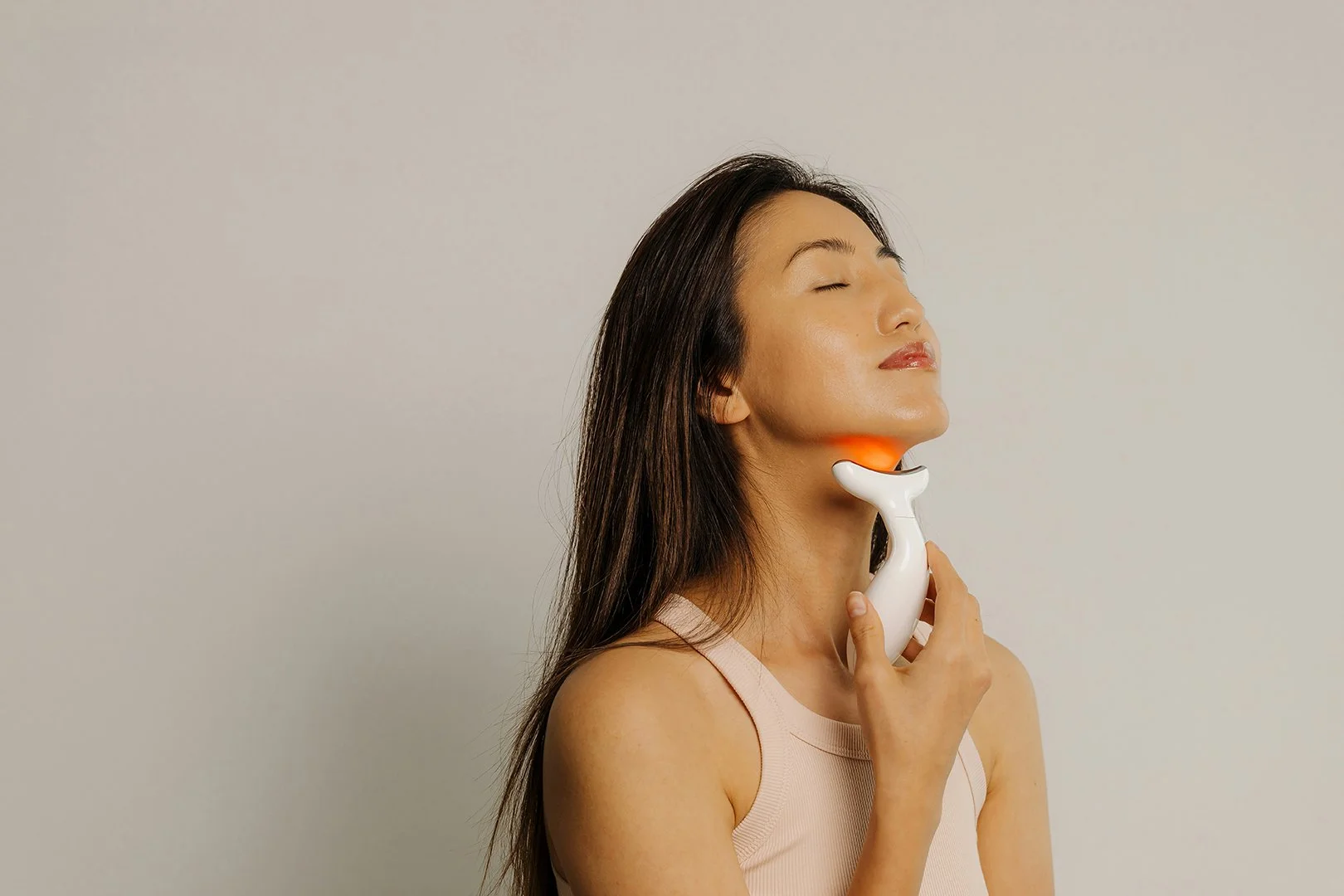
If you’re a skincare enthusiast like me, you’ve probably heard of red light therapy (RLT). From spa treatments to at-home devices, RLT has become a popular method for treating all manner of skin woes, from wrinkles to breakouts.
But while red light therapy has gained attention for its potential benefits, it’s important to understand what it is and whether it truly works before investing in it. In this post, we’ll provide you with the answers you need to make an informed decision.
What Is Red Light Therapy?
Red light therapy is a treatment that uses low levels of red light to improve the skin’s appearance by reducing wrinkles, scars, redness, and acne. Far from being a new technology, red light was first used in the late 1800s to treat skin tuberculosis. By the 1980s, NASA was using red light to help grow plants in outer space.
In addition to skincare, red light therapy is also used to treat medical conditions, such as arthritis and alopecia. Red light therapy can also help relieve pain by stimulating the release of endorphins, which are natural painkillers.
How Does It Work?
Red light therapy uses low-wavelength red light to penetrate the skin at a cellular level. This process stimulates cellular activity and improves circulation. Consequently, cells gain more energy, enabling them to perform their functions more effectively. This includes repairing the skin, promoting new cell growth, and enhancing skin rejuvenation.
What Does It Do?
Red light therapy is thought to have numerous skincare benefits. It can be used to treat various skin conditions, including acne, psoriasis, and eczema. RLT is also thought to increase the production of collagen, which helps reduce the appearance of fine lines and wrinkles. Regular users of red light therapy often report a more even skin tone as well as a minimized appearance of pores. Red light therapy is known to promote skin healing and can reduce scarring, redness, and irritation on the skin.
While RLT is generally considered beneficial for specific skin conditions, most experts agree that further study is necessary to determine overall effectiveness. Researchers also emphasize that the results of RLT are often subtle rather than “miraculous.”
Is It Safe?
In the short term, red light therapy appears to be a safe treatment. However, the long-term safety of devices that use red light therapy isn’t yet known. It’s essential to note that RLT treatments are typically ongoing and may require several weeks or months of treatment to yield results.
Red light therapy is non-toxic, non-invasive, and can be gentler on the skin than some topical treatments. Unlike UV light, which can cause skin cancer, current research hasn’t found that red light can cause any type of cancer.
The most common side effects of red light therapy are mild. Some individuals may develop temporary mild pain or irritated skin. Red light can also interact with medications, so be sure to check with your doctor before beginning any treatment.
Many red light therapy products are available for purchase via the Internet. While these products are generally considered safe, they may be less powerful than the devices used by dermatologists or other trained skin professionals. Be aware that you may not get the results you hoped for using an at-home product. When shopping for a red-light device in the United States, you may see terms like “FDA approved” or “FDA certified.” While these terms may sound impressive, they lack meaning when used to describe a medical device. The FDA clears devices. It doesn’t approve or certify them.
Additionally, if you have a darker skin tone, consult a dermatologist before using an at-home red light device. Research indicates that individuals with darker skin tones are more sensitive to visible light, including red light, compared to those with lighter skin tones. This heightened sensitivity can result in hyperpigmentation, leading to more intense and prolonged dark spots than those caused by invisible light, such as sunlight.
Whether you’re using RLT at home or in a clinic, all device instructions should be followed carefully. If you’re receiving treatment at a spa or wellness center, be cautious of who is supplying and where you are receiving treatment. It’s always best to consult with a medical professional about the best options to treat your skin condition or issue.
Final Thoughts
Trying a new skincare treatment can be exciting, but it’s important to set realistic expectations. Red light therapy is a promising treatment for various skin concerns, but experts agree that more clinical trials are needed to confirm its effectiveness. As with any new product or treatment method, it’s recommended to consult your healthcare provider or dermatologist before starting RLT.