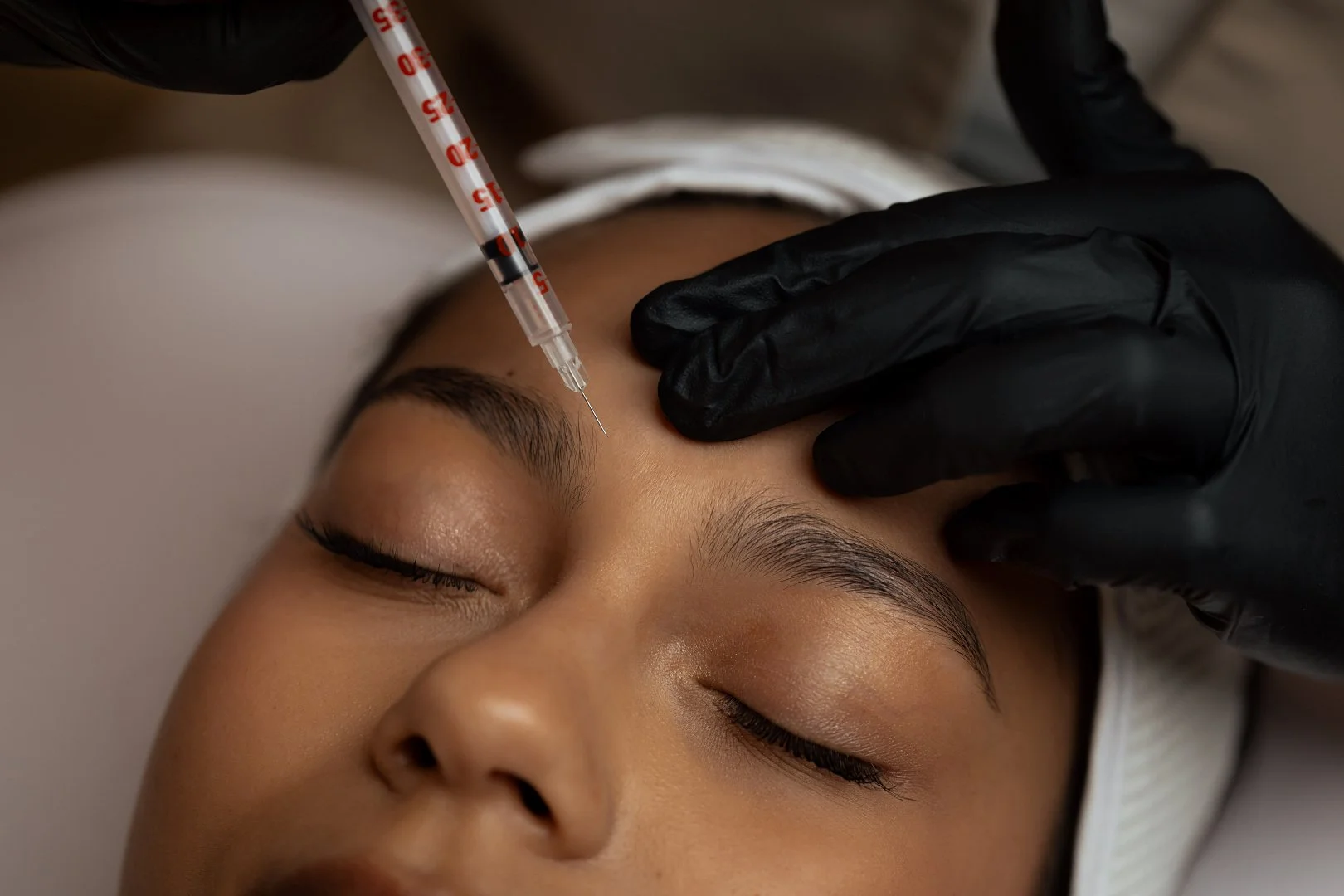
In recent decades, cosmetic injectables have emerged as one of the world’s most popular skincare procedures. Many individuals are eagerly seeking clinical treatments such as neurotoxins and dermal fillers to maintain youthful, radiant skin.
Global interest in these procedures has surged, fueled by a shift from invasive surgeries to quick, cost-effective “tweakments” that offer minimal recovery time. Furthermore, the rise of social media, the increased use of high-definition front-facing cameras, and the prevalence of video calls have heightened individuals’ awareness of their appearance.
While these treatments have gained immense popularity, it’s essential to recognize the potential risks they entail. The surge in consumer demand has also resulted in a significant increase in botched procedures performed by untrained practitioners.
Because the dangers of these procedures are often minimized (or outright ignored), we’re taking a deep dive into the risks of cosmetic injectables and what you need to know about these seemingly simple treatments.
Note: Although there are other brands of injectable neurotoxins, such as Dysport and Xeomin, for the sake of convenience, I’ll be referring to all injectable neurotoxins under the umbrella term “Botox” throughout this post. BOTOX® and its design are registered trademarks of Allergan, Inc., an AbbVie company. All other trademarks are the property of their respective owners.
Botox (Botulinum Toxin)
Botox is a neurotoxin extracted from the bacterium Clostridium botulinum. When ingested in its raw state, it can cause a potentially fatal food poisoning condition known as botulism. However, controlled medical doses of botulinum toxin are considered safe and highly effective. Botox works by temporarily blocking nerve signals that trigger muscle contractions. Without these signals, the targeted muscles relax or soften, causing the overlying skin to flatten. This reduction in skin movement minimizes the appearance of dynamic wrinkles caused by repetitive facial expressions.
Botox is most commonly used to treat forehead wrinkles, crow’s feet, and frown lines between the eyebrows. It holds the title of the most popular “non-invasive” cosmetic procedure globally.
While Botox may not be a permanent solution to wrinkles, its effects typically last between three and four months. However, the duration can vary depending on a person’s metabolism and muscle structure, ranging from two to six months. A typical treatment session takes only a few minutes to administer and requires minimal downtime. The results of the injection usually start to show within three to seven days, with the full effect peaking around two weeks.
Risks and Side Effects of Botox
While generally considered safe when performed by a licensed professional, Botox injections are not without risk. Risks and side effects can range from mild injection-site reactions to severe clinical complications. Because Botox temporarily paralyzes specific muscles to smooth wrinkles, its risks stem from the unintended migration or spreading of the neurotoxin.
Bruising and Swelling: Mild bruising, localized pain, and swelling at the injection site are common side effects and are usually temporary. However, in some cases, excessive bruising can occur, particularly if the patient is taking over-the-counter blood thinners or has a history of easy bruising.
Droopy Eyelids (Ptosis): If Botox spreads beyond the intended facial muscle, it can lead to drooping eyelids or eyebrows. This side effect can last for weeks or even months, depending on how quickly the body metabolizes the toxin. In severe cases, patients may experience vision problems, blurred vision, or double vision.
Asymmetry: When Botox injections are not injected evenly or in the correct location, it can cause facial asymmetry, making one side of the face look different from the other. This can be particularly noticeable in areas like the eyebrows and lips.
Headaches and Flu-Like Symptoms: Some individuals may experience headaches, nausea, and other flu-like symptoms after receiving Botox injections. These side effects are usually temporary, from a few days to a week, but can be uncomfortable.
Allergic Reactions: Some individuals can have an allergic reaction to Botox. Symptoms may include itching, rash, swelling, or difficulty breathing. If any of these occur, immediate medical attention is required.
Difficulty Swallowing or Breathing: In rare cases, Botox can cause botulism-like symptoms, spreading beyond the injection site and affecting the muscles, causing difficulty swallowing, trouble breathing, and slurred speech. This is more likely to occur when Botox is administered in higher doses or in sensitive areas such as the neck.
Muscle Atrophy: Keeping muscles in a partially paralyzed state restricts their regular usage. Consequently, those muscle groups beneath the cheeks, forehead, and eyes will start to weaken and atrophy. Since facial muscles are part of the “scaffolding” that holds the skin in place, weakened musculature can cause skin to sag and droop.
Resistance to Botox Over Time: Some individuals may develop a resistance to Botox after repeated treatments due to antibodies that make the botulinum toxin less effective. This means they may no longer see the same results as before or may require higher doses to achieve the desired effect.
Dermal Fillers (Hyaluronic Acid)
Dermal fillers are injectable gel-like substances designed to restore volume, smooth out facial wrinkles, and enhance facial contours. The most popular brands, Juvaderm and Restylane, use hyaluronic acid to plump the skin. These minimally invasive cosmetic procedures offer an immediate way to rejuvenate the skin without the downtime of surgery. Common filler types include hyaluronic acid, calcium hydroxylapatite, and polylactic acid. Silicone injections provide more permanent results but come with higher risks.
Risks and Side Effects of Dermal Fillers
Dermal fillers, while highly popular and effective, are medical procedures that come with risks. Common temporary side effects include swelling, bruising, and redness at the injection site. However, rare but serious complications can occur, such as infection, filler migration, or accidental injection into a blood vessel. It’s crucial to emphasize that treatments should be received only from a licensed, board-certified medical professional.
Swelling and Bruising: Due to needle trauma, bruising and swelling at the injection site are common.
Pain and Redness: Fillers can cause mild tenderness or a temporary rash around the injection site.
Asymmetry and Contour Bumps: Uneven placement or overcorrection can create a lumpy skin texture.
Minor Infections: Surface breakouts or localized skin infections can occur whenever the skin barrier is broken.
Filler Migration: Filler migration occurs when the injected material moves away from the intended facial area, causing an unnatural or distorted appearance.
Granulomas and Nodules: In some cases, dermal fillers can result in hard lump formations in the skin. These formations are caused by the body’s chronic immune reactions to the filler.
Biofilms: Persistent bacterial colonies that cling to the filler material, causing delayed, hard-to-treat infections.
Scarring: Fillers can cause skin damage that results in permanent keloids (thick, raised scars) or tissue indentations.
Vascular Complications: Accidentally injecting filler into a blood vessel can block blood flow, causing tissue damage or necrosis (skin death). Vascular blockage can also lead to even more serious consequences, such as permanent vision loss and stroke.
Long-Term Risks and Side Effects
Long-term use of Botox and dermal fillers is generally considered safe when administered by qualified medical professionals. However, both treatments may carry distinct long-term risks. For Botox, the skin covering the paralyzed muscle can become visibly thinner, exposing the underlying blood vessels on the face. Moreover, regular injections over many years can lead to noticeable muscle and structural changes. Since botulinum toxin temporarily blocks nerve signals to the muscles, continuous use over a decade or more alters how these muscles function and age.
For fillers, long-term use can cause localized fluid retention and persistent swelling, distorting the shape of natural tissue. Additionally, dermal fillers tend to linger in the body far longer than their advertised lifespan, presenting a different set of long-term risks.
Risks and side effects also exist for those who opt to have their fillers dissolved. The substance used to dissolve hyaluronic acid filler, known as hyaluronidase, cannot distinguish between the injected filler and your body’s natural hyaluronic acid. Consequently, it can temporarily dissolve your own hyaluronic acid, leading to skin laxity or a deflated appearance. The enzyme in hyaluronidase spreads rapidly once injected, making precise micro-targeted adjustments challenging. This can result in unevenness, volume irregularities, or unexpected facial hollows. Moreover, fillers mask natural, age-related volume loss over time. Therefore, removing a large volume of filler abruptly can reveal stretched, saggy, or wrinkled skin that was previously held taut by the product.
In recent years, medical professionals have recognized a condition called “post-hyaluronidase syndrome.” Emerging clinical observations and anecdotal patient reports indicate that excessive, repeated, or high-dose dissolving cycles can lead to prolonged facial hollowing, a loss of skin elasticity, and changes in texture.
While both Botox and fillers are considered temporary treatments, years of repeated exposure to either substance can alter facial structure, skin texture, and underlying anatomy.
Safety Precautions
For both Botox and dermal fillers, substandard products and unqualified practitioners pose the most significant risks of severe complications. It’s crucial to ensure that your provider holds a valid, state-issued healthcare license and has specialized training in cosmetic injectables.
In addition, make sure that the product being used has FDA approval. According to the Centers for Disease Control and Prevention (CDC), you should only receive approved injectables drawn directly from a properly labeled vial.
Moreover, avoid purchasing or using unapproved injectables sold directly to the public or using needle-free pressure devices. The FDA cautions that these carry significant risks of permanent skin damage, infection, and disfigurement. Finally, steer clear of treatments offered in non-clinical settings such as house parties, salons, or hotel rooms, and be wary of prices that appear excessively low.
Final Thoughts
For individuals contemplating cosmetic injectables of any kind, it’s crucial to evaluate all relevant factors in making an informed treatment decision. This includes considering the qualifications of the provider, understanding the mechanisms of the treatment, preparing for lifestyle changes, assessing the treatment timelines, and acknowledging potential risks involved. Cosmetic injections like Botox and fillers may seem straightforward, but it’s crucial to remember that they’re complex medical procedures. Therefore, any decision to proceed with treatment should be made thoughtfully and carefully.