2025 proved to be yet another chaotic year in skincare. Despite high expectations for a more practical, minimalist approach, viral trends persisted, resulting in poor and even bizarre skincare choices.
While dermatologists and other skincare experts encouraged simple routines with a focus on barrier repair, beauty content creators remained determined to push the boundaries for clicks. And while it may be frustrating, it’s oddly comforting to know that people will always be eager to keep things interesting.
Read on to discover the most regrettable skincare trends of 2025, and let’s hope that 2026 brings about some positive change!
Caveman Skincare: If you managed to avoid hearing about the “caveman skincare” trend in 2025, consider yourself lucky. This trend is based on the idea that by skipping all skincare products (like cleansers, moisturizers, sunscreens, etc.), your skin will naturally balance itself. According to this theory, you shouldn’t even rinse your face, not even with water. Yikes.
Although promoted as a way to reset problem skin, caveman skincare can cause long-term damage due to poor hygiene and bacterial buildup, leading to skin conditions like fungal infections and dermatitis neglecta, a disorder caused by built-up dirt, sweat, dead skin, and sebum.
Excessive Product Layering: Unfortunately, product overload remained a popular trend in 2025, despite cautions from dermatologists and other skincare experts. Skincare product overload happens when too many products or active ingredients disrupt the skin’s natural barrier, leading to dryness, redness, breakouts, excess oil, or sensitivity. Signs of skincare overwhelm can include stinging and flakiness, often the result of over-exfoliating, layering incompatible ingredients (like too many acids), or simply using too many potent products at once.
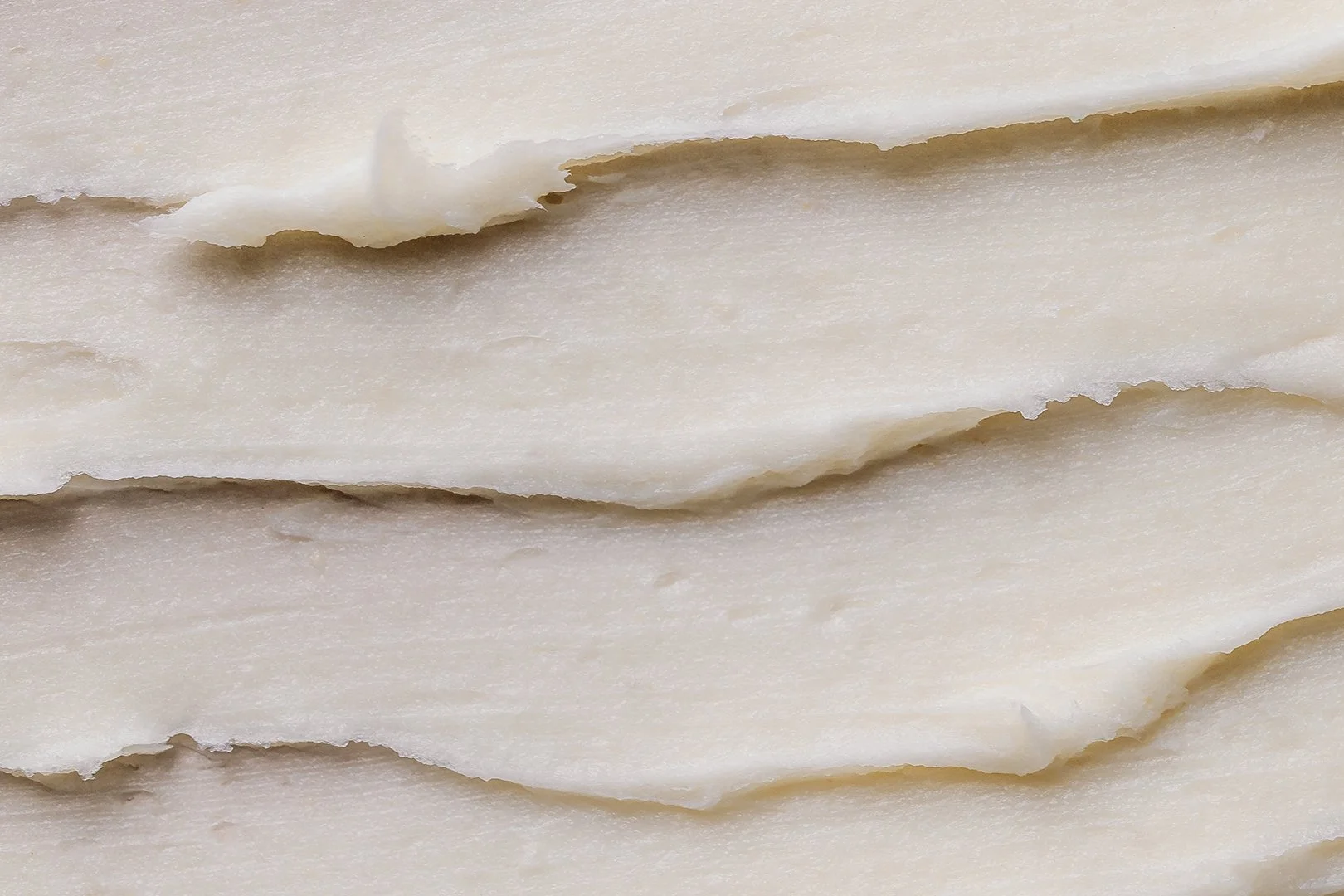
Beef Tallow: While popular in the “clean beauty” space, there’s little scientific evidence to support the benefits of beef tallow for skin health. In fact, dermatologists and other skincare experts warn that beef tallow is highly occlusive and comedogenic, trapping dirt and oil in the skin and worsening breakouts, especially for those with oily or acne-prone skin. Additionally, beef tallow’s high pH can disrupt the skin’s natural balance, potentially damaging the skin barrier. As an unregulated product, the quality of beef tallow can vary significantly, and without preservatives, it can easily become rancid or harbor mold and bacteria, posing serious risks to the skin.
DIY Skincare: From moisturizers to masks and even sunscreen, DIY skincare remained popular in 2025. While it’s tempting to believe homemade skincare is safe and effective, the truth is that it’s significantly less effective than professionally made products and can even cause lasting skin damage. Homemade skincare products pose risks like irritation, burns, and infections due to improper formulations. The absence of effective preservatives can lead to bacterial and mold growth, while incorrect pH levels can disrupt the skin’s natural barrier. Additionally, misuse of potent ingredients like essential oils can lead to burns, allergic reactions, and sun sensitivity.
Face Taping: Like many skincare trends, face taping has the potential to cause more harm than good. While temporarily effective at lifting and tightening the skin, face taping can cause damage like irritation, redness, breakouts, tearing, and scarring. As for healthy aging, face taping is thought to be counterproductive and can actually accelerate the development of fine lines and wrinkles by weakening skin elasticity and forcing facial muscles to work harder. At best, face taping is a risky, temporary fix that provides no significant long-term results.
At-Home Treatments: Whether it’s micro needling or DIY chemical peels, it goes without saying that some things are best left to the professionals. The trend of at-home aesthetic treatments continues to gain momentum; however, their effectiveness is limited at best, and they can pose significant risks. Safety should always be a top priority when considering aesthetic treatments. Without professional oversight, there’s a heightened risk of incorrect application or product misuse, which can lead to adverse reactions or even injury.