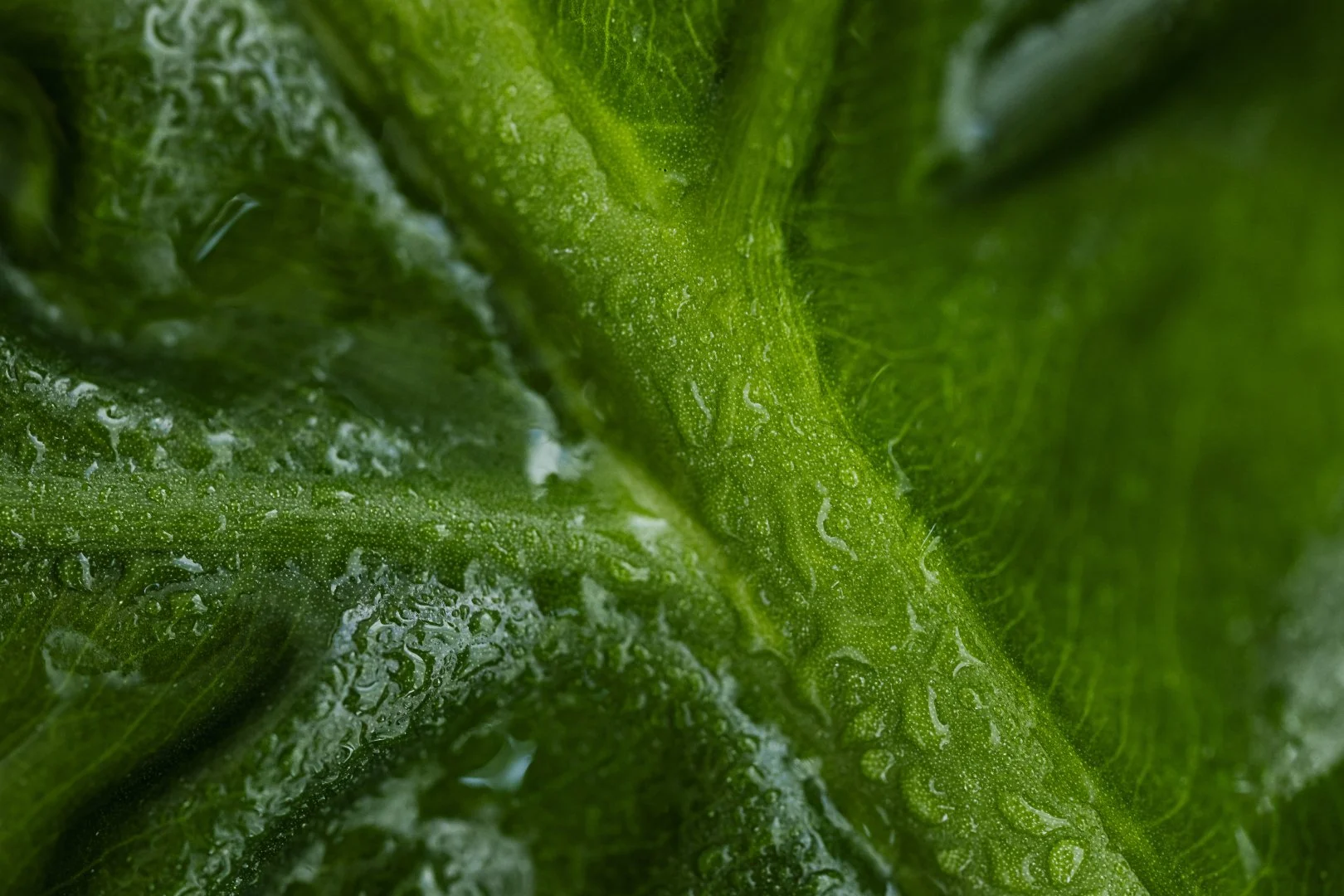
As spring approaches, it seems fitting to explore the significance of plants in skincare, specifically the role of chlorophyll. Plants are a fundamental source of bioactive compounds, providing a wide array of therapeutic benefits, from antioxidant protection to moisturization and barrier repair.
Having gone viral on TikTok in 2021, chlorophyll remains a popular skincare ingredient. And while it may seem like just another trend, there are some real benefits to using chlorophyll in your skincare routine.
What Is Chlorophyll?
Chlorophyll is a natural compound found in green plants that gives them their color. It helps plants absorb sunlight during photosynthesis. Chlorophyll is found in green vegetables and other plant-based foods, such as seaweed. The greener the vegetable, the higher its chlorophyll content.
Chlorophyll is thought to have numerous health and beauty benefits. It can be used topically and also consumed orally. However, research regarding the benefits of chlorophyll is limited, and more large-scale studies are needed to confirm its merits.
What Are the Benefits?
When used in skincare products, chlorophyll may offer benefits such as antioxidant protection, improved wound healing, and the reduction of inflammation and redness associated with acne. It can also enhance skin cell regeneration by supporting collagen production.
Antioxidant Properties: Chlorophyll contains antioxidants that fight free radicals, which can contribute to premature aging, fine lines, and wrinkles.
Anti-Inflammatory Effects: It can help reduce skin inflammation and irritation, leading to a calmer complexion.
Reduces Redness: Chlorophyll’s green pigment can visually counteract redness caused by acne, creating a more even skin tone.
Acne Treatment: Small studies suggest that topical chlorophyllin may improve acne and reduce the appearance of pores.
Wound Healing: Historically, chlorophyll has been used to promote wound healing, although more research is needed to prove its efficacy.
Improved Skin Barrier: Chlorophyll may help strengthen the skin’s barrier, allowing it to retain moisture and protect it from environmental pollutants.
What Are the Risks?
As mentioned, laboratory studies have shown that chlorophyll has antioxidant and anti-inflammatory properties. However, there is limited evidence to support its health benefits in humans. Consuming chlorophyll through beverages or supplements can cause gastrointestinal distress, such as nausea, vomiting, and diarrhea, especially when taken in high doses.
Some individuals may be allergic to chlorophyll, which can cause symptoms like hives, swelling, and difficulty breathing. Additionally, chlorophyll can interact with certain medications, such as blood thinners and chemotherapy drugs. Therefore, it’s important to consult a healthcare professional before adding chlorophyll supplements to your routine.
When used topically, chlorophyll may cause mild itching or burning. Additionally, topical chlorophyll can make the skin more sensitive to sunlight, which increases the risk of sunburn or rashes, particularly with prolonged use.
How to Get More Chlorophyll
If you’re aiming to increase your chlorophyll intake, consuming naturally high-chlorophyll foods may be the safest and most effective approach. Incorporate leafy greens such as spinach, kale, and arugula into your diet. Additionally, you can obtain chlorophyll from:
Green Apples
Kiwi
Zucchini
Lettuce
Mint
Broccoli
Cabbage
Green Beans
Green Bell Peppers
Several popular skincare brands offer products that offer the benefits of chlorophyll. Here are a few you can check out:
CocoKind Chlorophyll Discoloration Serum: A sensitive skin-friendly spot fading serum that combines the power of 1% alpha arbutin with chlorophyll, licorice root, and panthenol to reduce the look of discoloration, post-blemish marks, and signs of UV damage.
Youth to the People Superfood Cleanser: A powerful but gentle gel cleanser that features the antioxidant benefits of kale, spinach, and green tea. Works effectively to prevent pore buildup, remove makeup, and balance skin pH without drying or stripping away its natural oils.
Perricone MD Chlorophyll Detox Mask: Designed for oily and combination skin, this gel-to-clay mask cleanses, exfoliates, and purifies skin. Chlorophyll-enriched microcapsules work to “detox” the skin while helping minimize the appearance of pores, fine lines, and wrinkles.